Solar and Battery Power for Off-Grid Colorado Cabins
A cabin system has to handle things a city home never sees: weeks of sitting empty, freezing nights, snow on the panels and a long drive if something goes wrong. We design permanent cabin systems around how you use the place.
Weekend cabin or full-time cabin?
The first question we ask, because it changes almost every part of the design.
Weekend and seasonal cabins
The system spends most of its time keeping the batteries healthy with only a few small loads running. We plan for what has to stay on while you're away (freeze protection, a security camera, internet for monitoring) and design so the cabin is ready when you arrive instead of starting from a dead battery.
Full-time cabins
A full-time cabin is really an off-grid home. Daily loads, winter heating, a well pump and a home office all add up, so we size it like a whole-home off-grid system, with more storage and a generator plan for long storms.
Cabin loads we plan for
Cabins have a few loads that surprise people. We go through these with you before sizing anything:
- Well pumps, which draw a lot of power on startup and set the minimum inverter size.
- Freeze protection like heat tape on water lines, which can run for days in cold weather and quietly drain a battery bank.
- Heating: a propane furnace or boiler still needs electricity for its blower or pump, while electric space heaters are usually too big a load for off-grid.
- Fridges and chest freezers, which run around the clock.
- Internet, cameras and remote monitoring, so you can check on the cabin from home.
- Shop tools, a sauna or a hot tub, which may need their own plan or a generator.
Snow, access and where everything goes
Mountain cabins often sit among trees or below a ridge, so we check sun and shade through the winter, not just in summer. A ground mount set at a steep angle sheds snow better and is easier to brush off than a high roof, and it keeps the roof free for chimneys and snow guards.
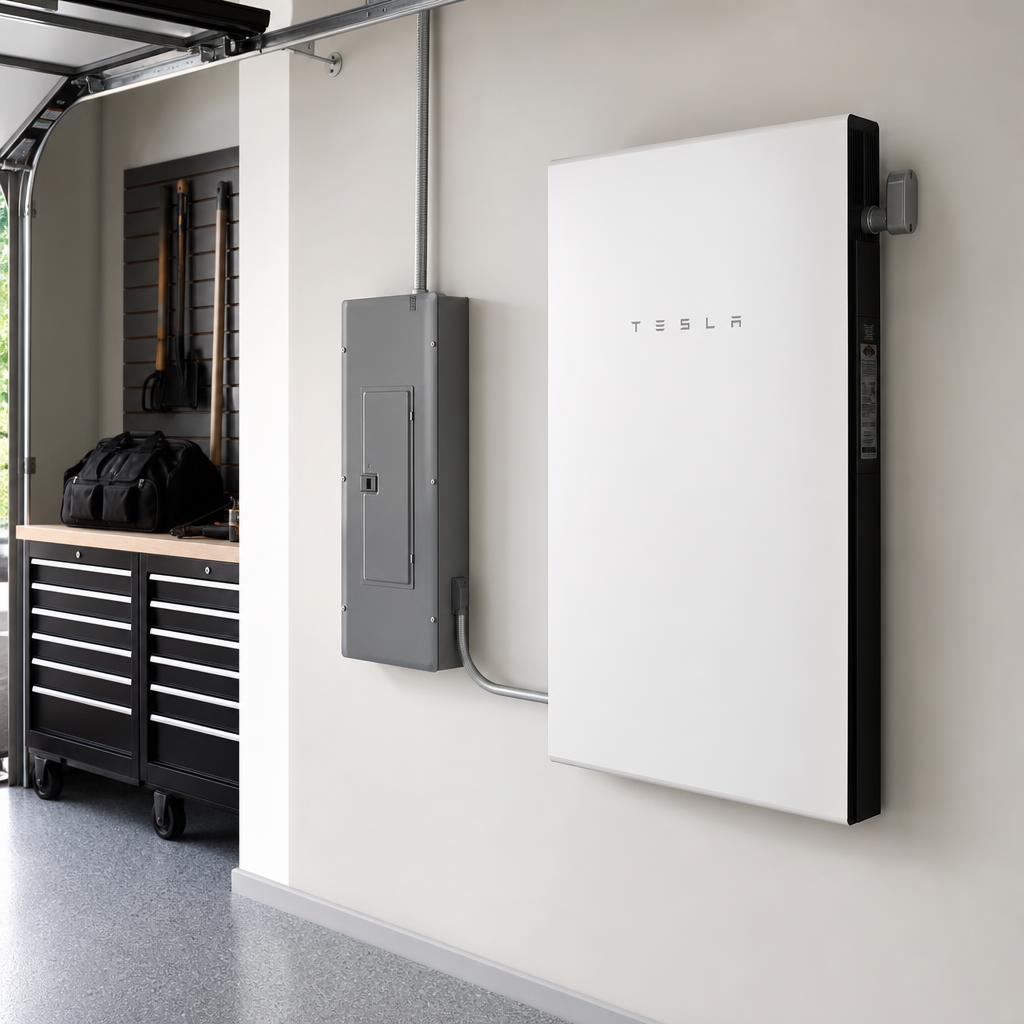
Batteries need a spot that stays within the manufacturer's temperature range, which can rule out an unheated shed at altitude. We also think about the practical side: how equipment gets up a steep or seasonal road, where a generator can sit and be refueled, and keeping wiring protected from critters.
Permanent cabin systems only
We install permanent, permitted systems on cabins and homes. We don't install solar on RVs, campers, vans or trailers, and we don't sell plug-in kits or DIY parts. If you need a small setup for a shed or a camper, an RV dealer or a solar supply store is a better fit.
Generator backup for cabins
Most cabin systems include a generator. It recharges the batteries after a run of snowy days and covers big loads like a shop or a full house of guests. We supply and install backup generators and integrate them with the system, or connect one you already own, and plan when it should run so you aren't hauling fuel more often than you need to.
Permits, warranty and incentives
A permanent cabin system needs permits and inspections from the county building department, the same as an off-grid home. We prepare the plans, pull the permits and coordinate inspections.
Battery storage installed in a Colorado home may qualify for Colorado's state energy-storage tax credit, which applies to systems purchased before January 1, 2027, whether or not the home is connected to the grid. Confirm current terms with your tax professional. Utility rebate programs are generally built for grid-connected customers, so plan on them not applying to an off-grid home.
Every system we install carries our 10-year workmanship warranty, on top of the manufacturer's equipment warranties. We typically build off-grid cabin systems around Sol-Ark and EG4 equipment.
Cabin country we serve
From the Boulder County mountains to Park County and the Pikes Peak region. Local pages for some of the areas we serve:
Foothills west of Denver
Boulder County mountains
Northern Colorado mountains
Pikes Peak region and Teller County
Douglas County ranch land
Frequently asked questions